Indications for Hyperbaric Oxygen Therapy
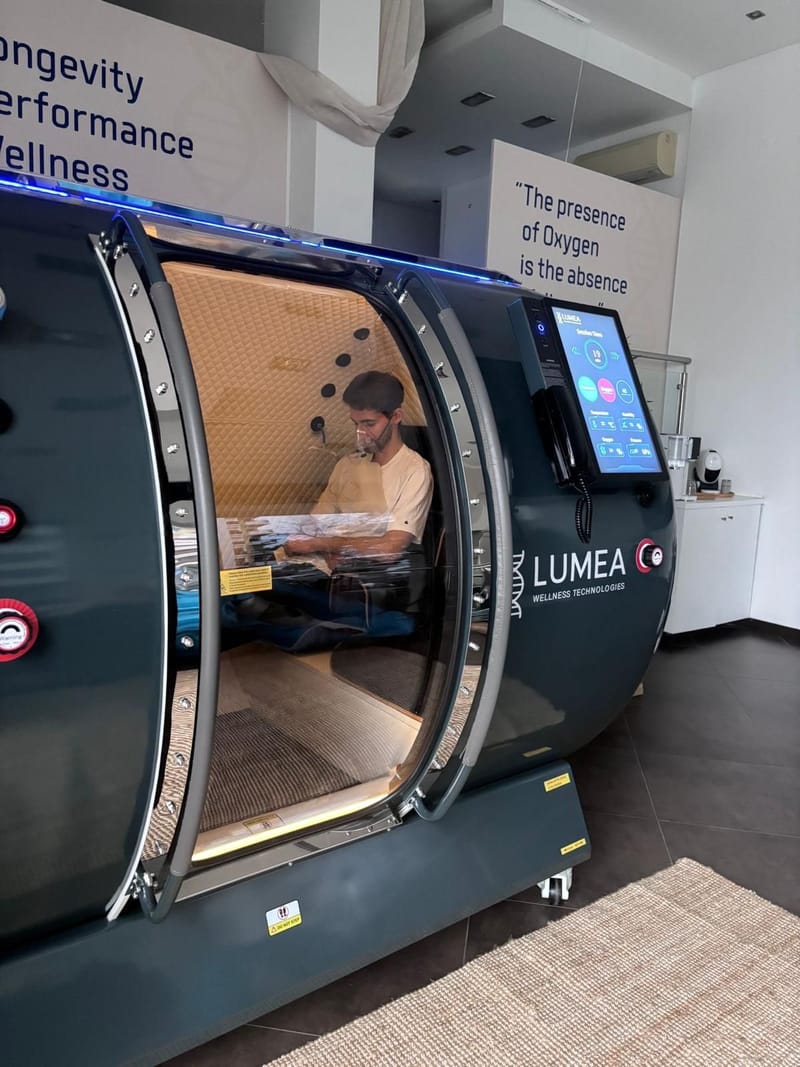
Indications for Hyperbaric Oxygen Therapy
Hyperbaric Oxygen Therapy (HBOT) is used both for recognized medical indications and for off-label applications in regenerative medicine, performance optimization, and longevity medicine. By breathing pure oxygen in a pressurized environment, HBOT significantly increases the amount of oxygen dissolved in the blood plasma, allowing tissues throughout the body to receive higher oxygen concentrations than normally possible.
This enhanced oxygen availability can support tissue repair, angiogenesis (new blood vessel formation), mitochondrial function, and cellular regeneration.
Recognized Medical Indications
HBOT is widely used in hospitals and medical centers for several established conditions, including:
Chronic non-healing wounds
Diabetic foot ulcers
Radiation tissue injury following radiotherapy
Compromised skin grafts and flaps
Severe soft tissue infections
Chronic osteomyelitis (bone infection)
Gas embolism
Decompression sickness
Carbon monoxide poisoning
Selected burn injuries
In these conditions, HBOT helps increase tissue oxygenation, reduce swelling, stimulate new blood vessel growth, and accelerate healing processes.
Regenerative and Longevity Applications
Beyond traditional medical uses, HBOT is increasingly integrated into longevity medicine and regenerative health programs due to its effects on cellular function and tissue regeneration.
Potential benefits include:
improved brain oxygenation and cognitive performance
support for mitochondrial energy production (ATP)
stimulation of stem cell mobilization
improved microcirculation and tissue oxygen delivery
reduction of systemic inflammation
enhanced cellular repair and regeneration
support for healthy aging and vitality
Research has also suggested that certain HBOT protocols may contribute to telomere length stabilization and cellular rejuvenation, areas currently being explored in longevity medicine.
Common Off-Label Uses
Many wellness, neurological, and performance clinics use HBOT as part of integrative treatment strategies for conditions that may benefit from improved oxygen delivery and cellular metabolism.
These may include:
brain fog and cognitive decline
post-concussion recovery
traumatic brain injury support
stroke recovery support
chronic fatigue and low energy
post-viral fatigue and long COVID support
fibromyalgia
Lyme disease support
neuroinflammation
migraine and chronic headaches
autism spectrum support
multiple sclerosis support
Parkinson’s disease support
metabolic health optimization
athletic recovery and performance enhancement
anti-aging and longevity programs
immune system support
recovery after surgery
skin rejuvenation and regenerative aesthetic therapies
Key Physiological Benefits
HBOT can deliver 10–15 times more oxygen to tissues compared to normal breathing conditions. This increased oxygen availability may:
stimulate angiogenesis (new capillary formation)
enhance mitochondrial function and energy production
reduce inflammation and tissue swelling
accelerate muscle and tissue recovery
improve brain oxygenation and neurological function
support collagen production and tissue repair
Absolute Contraindication
The primary absolute contraindication is untreated Pneumothorax, as pressurized oxygen environments may worsen this condition.
