Mechanism of Action of Hyperbaric Oxygen Therapy
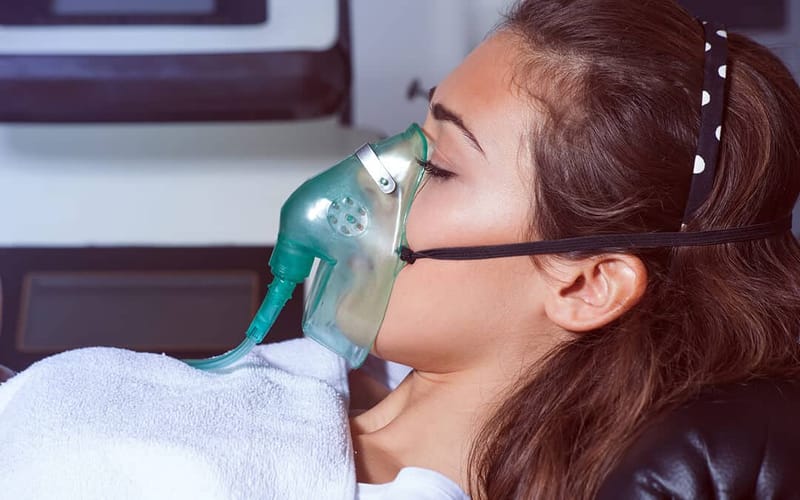
Mechanism of Action of Hyperbaric Oxygen Therapy
Hyperbaric Oxygen Therapy works by exposing the body to 100% oxygen at increased atmospheric pressure, typically between 1.3 and 2.0 ATA. Under these conditions, oxygen dissolves in the blood plasma at concentrations far higher than what occurs under normal atmospheric pressure. This increase in oxygen availability triggers a cascade of physiological, cellular, and molecular responses that support tissue repair, regeneration, and metabolic optimization.
Oxygen Transport: Plasma vs. Hemoglobin
Under normal conditions, most oxygen in the body is transported by hemoglobin within red blood cells, while only a small fraction is dissolved directly in plasma.
During HBOT, the increased pressure allows large quantities of oxygen to dissolve directly into the plasma, independent of hemoglobin. This dissolved oxygen can diffuse much further into tissues, including areas with poor circulation or damaged microvasculature.
As a result:
oxygen delivery to tissues can increase 10 to 15 times above normal levels
oxygen can reach ischemic or hypoxic tissues that red blood cells may not easily access
cells receive sufficient oxygen to support metabolism, repair, and regeneration
This plasma-based oxygen transport is one of the key mechanisms that explains the therapeutic effects of HBOT.
Angiogenesis (Formation of New Blood Vessels)
One of the most important regenerative effects of HBOT is the stimulation of angiogenesis, the formation of new capillaries and microvascular networks.
Repeated exposure to hyperoxia stimulates cellular pathways that promote the release of growth factors and signaling molecules involved in vascular repair. Over time, this leads to the development of new blood vessels that improve long-term oxygen delivery to tissues.
Improved microcirculation supports:
wound healing
brain oxygenation
tissue regeneration
metabolic efficiency
Osteogenesis (Bone Regeneration)
HBOT can support bone healing and osteogenesis by improving oxygen availability in bone tissue and stimulating osteoblast activity.
Bone regeneration requires high metabolic activity and adequate oxygen supply. By increasing oxygen levels in bone tissue, HBOT may:
enhance bone remodeling processes
support healing of fractures and bone injuries
improve outcomes in bone infections and compromised bone healing
Neurogenesis and Brain Repair
HBOT has been shown to stimulate processes associated with neuroplasticity and neurogenesis, particularly in areas of the brain responsible for learning, memory, and cognitive function.
Improved oxygenation of neural tissue can:
enhance neuronal metabolism
support synaptic plasticity
promote the formation of new neural connections
stimulate repair of damaged neural networks
This mechanism is one reason HBOT is increasingly explored for brain injury recovery, cognitive enhancement, and neurological conditions.
Stem Cell Mobilization
Hyperbaric oxygen exposure has been associated with increased release of circulating stem and progenitor cells from the bone marrow.
Studies have shown that repeated HBOT sessions may significantly increase the number of circulating stem cells, which can contribute to tissue repair, regeneration, and recovery following injury or chronic inflammation.
These stem cells may help support:
vascular repair
tissue regeneration
immune modulation
healing of damaged organs or tissues
Collagen Production and Tissue Repair
HBOT can stimulate fibroblast activity, the cells responsible for producing collagen and extracellular matrix components.
Collagen plays a fundamental role in:
skin structure and elasticity
wound healing
connective tissue repair
vascular integrity
Increased oxygen availability enhances fibroblast function, helping support stronger tissue repair and improved skin regeneration.
Reduction of Senescent Cells
Cellular senescence refers to cells that no longer divide but continue to release inflammatory signals that can contribute to aging and tissue dysfunction.
Research suggests that certain HBOT protocols may help reduce the burden of senescent cells, improving tissue health and potentially contributing to mechanisms associated with healthy aging and longevity.
Reduction of Inflammatory Markers
HBOT can influence immune signaling pathways and has been associated with reductions in pro-inflammatory cytokines and inflammatory markers.
This anti-inflammatory effect may contribute to:
reduced tissue swelling
improved recovery after injury
modulation of chronic inflammation
improved metabolic function
Balancing inflammation is critical for both healing and long-term health maintenance.
Telomere Support and Cellular Longevity
Telomeres are protective structures located at the ends of chromosomes that gradually shorten as cells age.
Emerging research suggests that repeated HBOT protocols may help support telomere length maintenance or elongation, potentially contributing to cellular rejuvenation processes and improved biological resilience.
While this area of research is still evolving, it has generated significant interest in the use of HBOT within longevity medicine and anti-aging protocols.
HIF-1α and the Hyperoxia–Hypoxia Paradox
One of the most fascinating mechanisms behind HBOT involves what is known as the hyperoxia–hypoxia paradox.
Although HBOT exposes the body to very high oxygen levels, the repeated transitions between high oxygen exposure and normal oxygen levels create cellular signals that mimic the effects of hypoxia.
This paradoxical response activates important pathways such as Hypoxia-Inducible Factor 1-alpha (HIF-1α), a key regulator of cellular adaptation to oxygen availability.
Activation of these pathways can stimulate:
angiogenesis
stem cell mobilization
mitochondrial biogenesis
tissue regeneration
In essence, HBOT allows the body to trigger many of the regenerative mechanisms normally associated with low oxygen environments, while still benefiting from the metabolic advantages of high oxygen availability.
Summary
Through its effects on oxygen delivery, cellular metabolism, vascular regeneration, and molecular signaling pathways, HBOT acts as a powerful stimulus for the body’s natural repair and regeneration processes.
These mechanisms help explain why HBOT is increasingly used not only in medical settings but also in regenerative medicine, neurological recovery, performance optimization, and longevity programs.
