Cold Plunge - Hyperbaric Spa Faro only
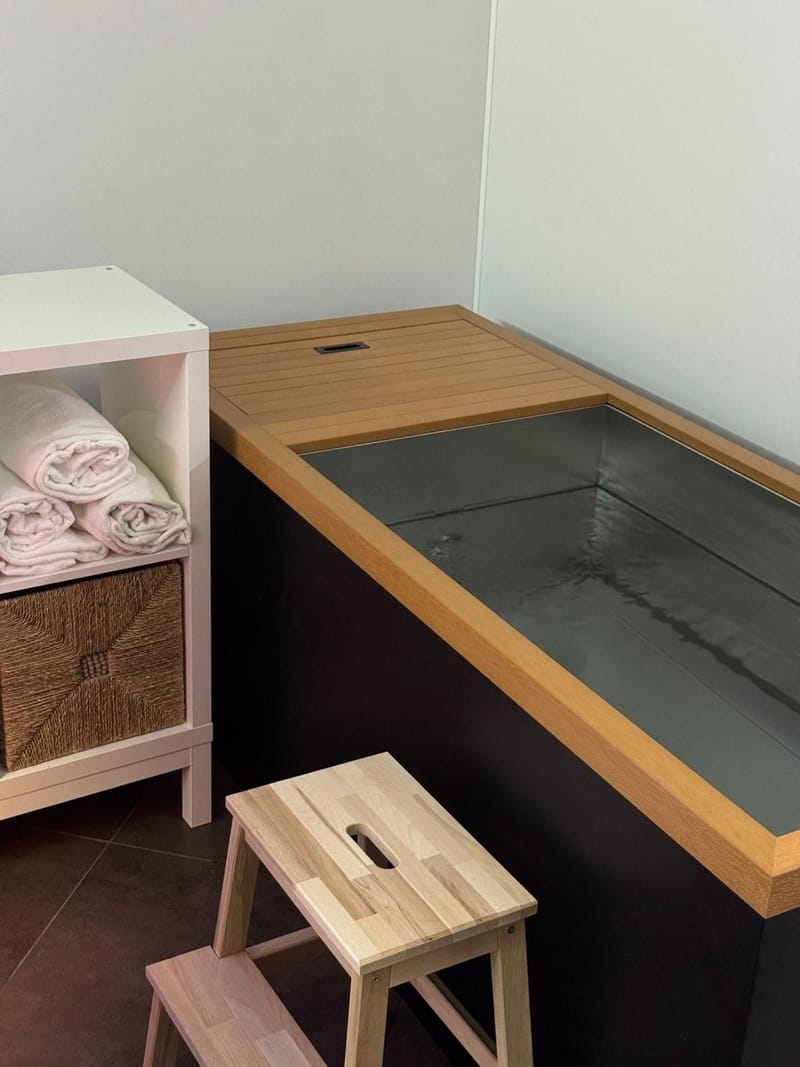
Cold immersion at 8°C is a powerful metabolic and cellular stimulus that activates multiple biological mechanisms associated with recovery, resilience, and longevity. Exposure to cold triggers vasoconstriction followed by vasodilation, improving circulation, reducing inflammation, and helping the body remove metabolic waste products after physical or mental stress.
At the cellular level, cold exposure stimulates mitochondrial activity, encouraging cells to produce energy more efficiently. It also activates brown adipose tissue (brown fat), a metabolically active type of fat that burns calories to generate heat, supporting improved metabolic health and energy regulation. Regular cold exposure has been associated with enhanced metabolic flexibility, improved insulin sensitivity, and increased caloric expenditure.
Cold therapy also activates the sympathetic nervous system, leading to a natural increase in norepinephrine, a neurotransmitter that improves focus, alertness, and mood. This response may also contribute to neuroprotection and cognitive resilience, which are important elements in longevity and brain health.
From a longevity perspective, cold exposure represents a form of hormetic stress—a beneficial stress that stimulates adaptive responses in the body. This hormetic effect can promote cellular repair mechanisms, improved mitochondrial efficiency, and enhanced stress resilience, all of which are key factors associated with healthy aging.
How to use:
Enter the cold plunge slowly and immerse the body up to the shoulders. The recommended exposure at 8°C is between 1 and 3 minutes, depending on tolerance and experience. Focus on slow, controlled breathing to help the body adapt to the cold stimulus. Beginners should start with shorter durations and gradually increase exposure over time. Always exit the plunge if you feel dizzy or excessively uncomfortable, and avoid use if you have uncontrolled cardiovascular conditions.
