Neurofeedback Therapy
Neurofeedback
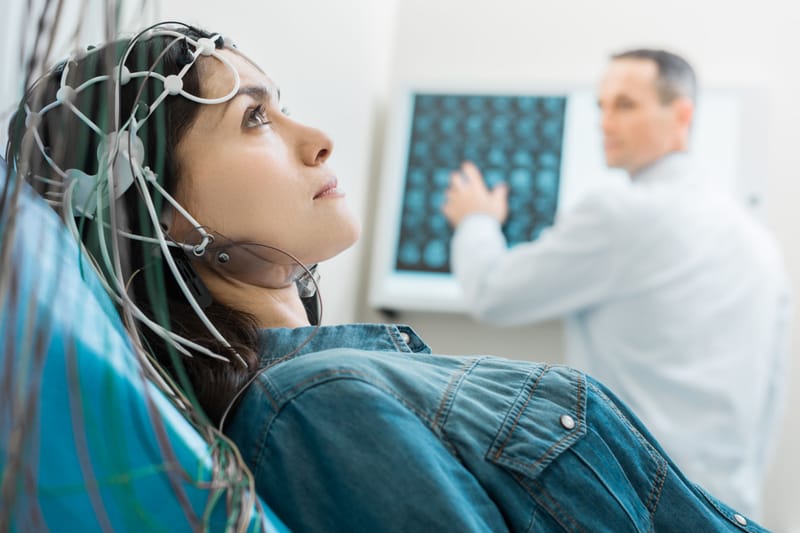
Neurofeedback is a non-invasive brain training therapy designed to optimize brain function by teaching the brain to self-regulate its activity. Using real-time monitoring of brainwaves through EEG sensors placed on the scalp, neurofeedback provides immediate feedback that helps the brain develop healthier and more efficient patterns of activity.
Unlike medication-based approaches, neurofeedback works by encouraging the brain’s natural neuroplasticity — its ability to reorganize and adapt over time.
How Neurofeedback Works
During a session, sensors are placed on specific areas of the head to measure electrical brain activity. The user then watches a screen, listens to sounds, or interacts with visual feedback linked to their brainwave patterns.
When the brain produces desired patterns associated with focus, relaxation, emotional regulation, or cognitive efficiency, the system provides positive feedback. Over repeated sessions, the brain gradually learns to maintain these healthier patterns naturally.
The process is painless, safe, and does not involve electrical stimulation entering the body.
What Neurofeedback May Help Improve
Neurofeedback is commonly used to support:
- Stress and anxiety management
- Sleep quality and insomnia
- Mental clarity and focus
- Emotional regulation
- Cognitive performance and memory
- Burnout and nervous system fatigue
- Attention and concentration difficulties
- Peak performance for athletes and executives
- Brain fog and mental fatigue
- Mood balance and resilience
- Recovery support after concussion or neurological stress
Who Can Benefit
Neurofeedback may benefit individuals seeking:
- Better mental performance and productivity
- Improved emotional wellbeing
- Stress reduction and nervous system balance
- Enhanced sleep and recovery
- Cognitive optimization and longevity support
- Non-pharmaceutical support for attention or mood challenges
- Performance enhancement in sports, business, or creative fields
It is suitable for adults, teenagers, seniors, professionals, athletes, and individuals interested in preventive brain health and wellness.
What to Expect During Treatment
Sessions are typically relaxing and last between 30 and 60 minutes. Most people experience the treatment as calming and mentally refreshing.
Results vary depending on the individual and goals, but many users report improvements such as:
- Increased mental clarity
- Reduced stress and anxiety
- Better sleep quality
- Improved concentration and focus
- Enhanced emotional stability
- Greater energy and resilience
- Faster recovery from mental fatigue
Some individuals notice changes within a few sessions, while deeper and longer-lasting improvements generally develop progressively over a structured treatment program.
